Schema Used for AEO / GEO: The Truth
Schema Used for AEO / GEO: The Truth About the schem...


A plain language guide to Generative Engine Optimization for hotels, tour operators, travel agencies, and independent travel brands
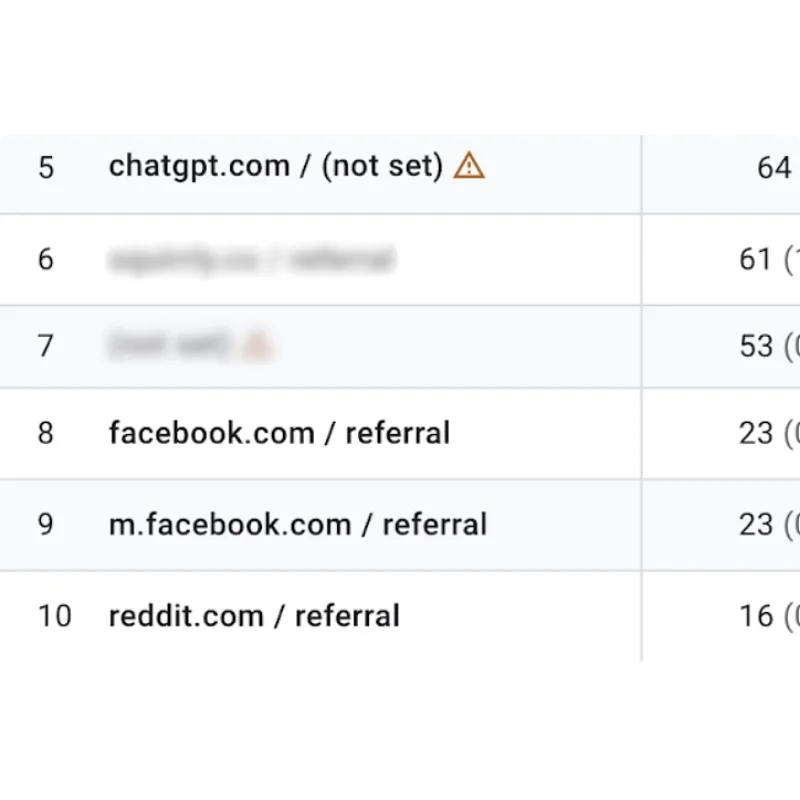
If you run a travel business, you have probably noticed something changing in how people search. Fewer travelers scroll through ten blue links anymore. Many now ask ChatGPT to plan their trip, ask Perplexity for the best boutique hotel in a city, or read the AI summary that Google puts at the very top of the results page, before a single website link even appears.
This shift has a name: Generative Engine Optimization, or GEO. And no, you do not need to be technical, have a big marketing team, or hire an agency to start benefiting from it. This article breaks GEO down into plain, practical steps that anyone managing a travel website, from a solo tour guide to a small hotel marketing team, can put into practice today.
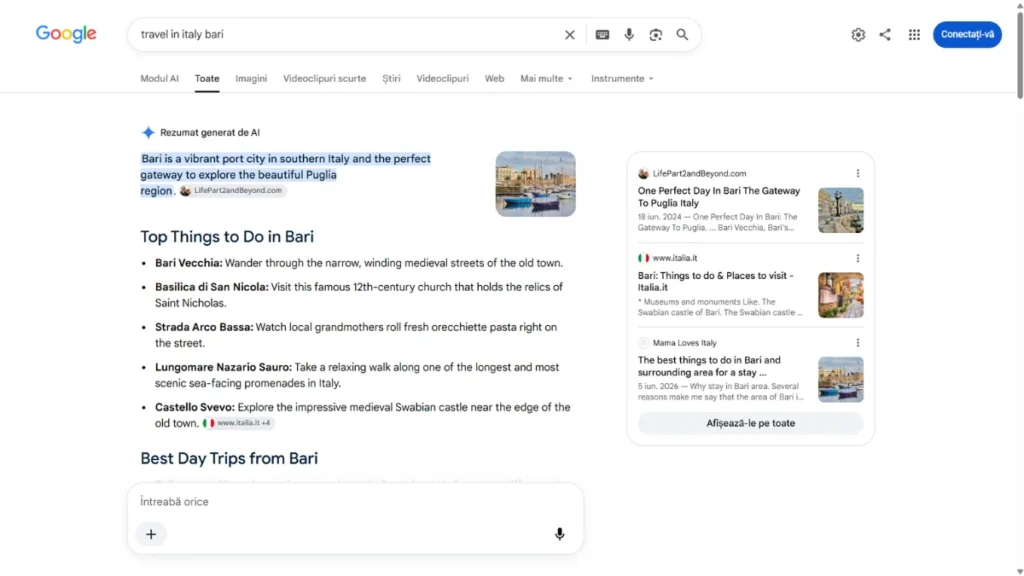
Traditional SEO was about getting your travel website to rank high enough that a person would click on it. GEO is about something slightly different: getting an AI tool to read your content, trust it, and use it to build the answer it gives someone, sometimes with your business named directly, sometimes with a link back to your site.
Think of it this way. SEO gets you clicked. GEO gets you quoted.
The AI tools that matter here are the ones your future guests are already using: ChatGPT, Google’s AI Overviews, Gemini, Perplexity, and Microsoft Copilot. When someone types “best family friendly hotel near the beach in Croatia” or “how do I plan a two week trip through Romania,” these tools do not send back a list of links. They generate a written answer, often naming specific businesses, destinations, or tours as they go. If your business is not part of that answer, it may as well not exist to that traveler.
The encouraging part is this: unlike traditional SEO, where big brands with huge budgets tend to dominate the top rankings, GEO rewards clarity, honesty, and genuinely useful information over size. A small family run guesthouse with clear, well organized information can be quoted by an AI system just as easily as a major hotel chain, sometimes even more easily, because AI models are looking for the clearest and most trustworthy answer, not the biggest advertising budget.
Travel is one of the categories where people ask the most detailed, personal questions: what to pack, when to visit, how to get around, which hotel fits their budget, whether a destination is safe for solo travelers, what a specific tour actually includes. These are exactly the kind of layered questions that AI tools were built to answer.
Research from marketing analytics firms has found that AI generated answers are already appearing on a meaningful share of travel related searches, and that trend is only expected to grow. At the same time, most AI citations, the moments when an AI tool names a specific source, tend to come from a business’s own website rather than from forums or review sites. That is genuinely good news. It means the business best positioned to be recommended by AI is often the one owning and maintaining clear, accurate information about itself, not the one with the loudest social media presence.
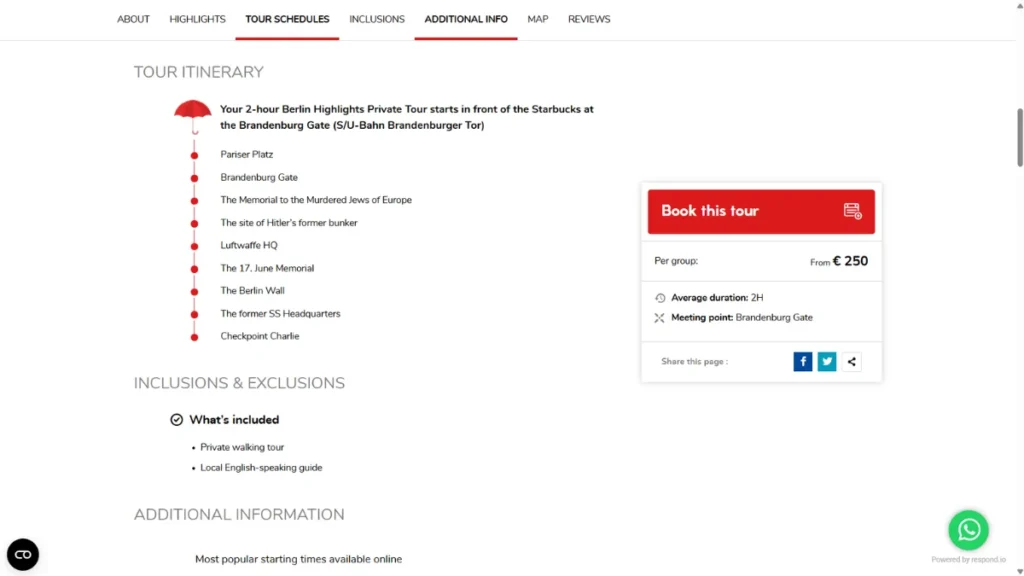
AI tools scan for a clear, direct answer near the beginning of a page. If someone asks “what is included in this Carpathian hiking tour,” your tour page should answer that within the first sentence or two, not bury it under three paragraphs of scenic description.
A simple fix: open every important page (your homepage, your tour pages, your room pages, your FAQ) with one or two plain sentences that state the core fact. Save the storytelling and atmosphere for right after. You do not need to sacrifice your voice, you just need to put the fact first and the flourish second.
AI models are trained to recognize and reuse content that reads like a clear answer to a real question a person might ask. Instead of a heading like “Our Rooms,” try “What kind of rooms does [your hotel] offer?” Instead of “Location,” try “Where is [your hotel] located and how far is it from the airport?”
This does not mean every heading needs to be a question. It means you should think about the actual questions your guests type into a search bar or ask a chatbot, and make sure your content answers those questions in plain, direct language somewhere on your site.
“A beautiful getaway surrounded by nature” tells an AI system nothing it can confidently repeat to a traveler. “A four room guesthouse eight kilometers from Como Lake, open May through October, with private parking and a wood fired sauna” gives an AI system something concrete it can use, and something it can trust enough to quote.
Whenever you can, replace general claims with specific, checkable facts: distances, dates, prices, number of rooms, what is and is not included, opening hours, group sizes, difficulty levels for tours. Specificity is what separates content that gets quoted from content that gets skipped.
An AI tool is much less likely to recommend a business whose information looks stale or contradicts other sources. If your seasonal opening hours, prices, or tour dates are outdated on your website, that inconsistency can quietly cost you a recommendation. A short quarterly habit of checking dates, prices, and availability across your website is one of the simplest and highest value habits a travel business can build.
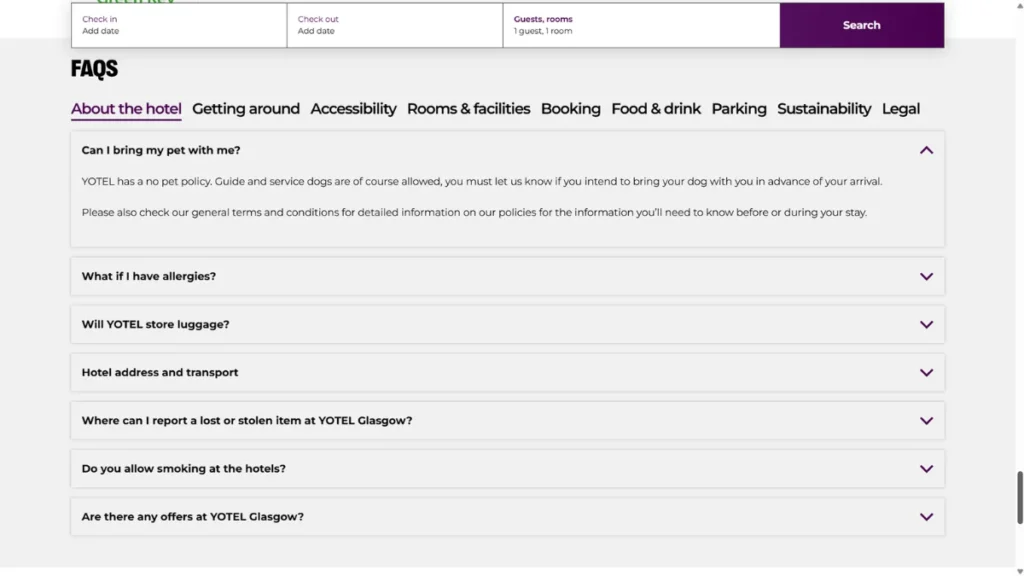
FAQs are one of the easiest formats for AI tools to lift directly into an answer, because the question and answer structure mirrors exactly how these tools already communicate. You do not need dozens of questions. Five or six genuinely useful ones per page, written the way a guest would actually ask them, is far more valuable than a long generic list.
Good candidates: is breakfast included, is the property child friendly, how far is it from the nearest train station, what should I pack for this tour, is there a cancellation policy, is Wi-Fi available.
This is a step many travel businesses skip, and it is one of the most important ones. Before an AI tool will confidently recommend your business, it needs to understand who is behind it. A short, honest “About” page that explains how long you have been operating, who runs the business, what your local knowledge or credentials actually are, and how many trips, guests, or bookings you have handled builds something search professionals call E-E-A-T: experience, expertise, authority, and trust.
For a small travel business, this does not need to be corporate or stiff. “We have been guiding hikers through the Făgăraș Mountains since 2015 and have personally walked every trail we recommend” tells an AI system exactly the kind of first hand expertise it is looking for, and it reads as genuinely trustworthy to a human too.
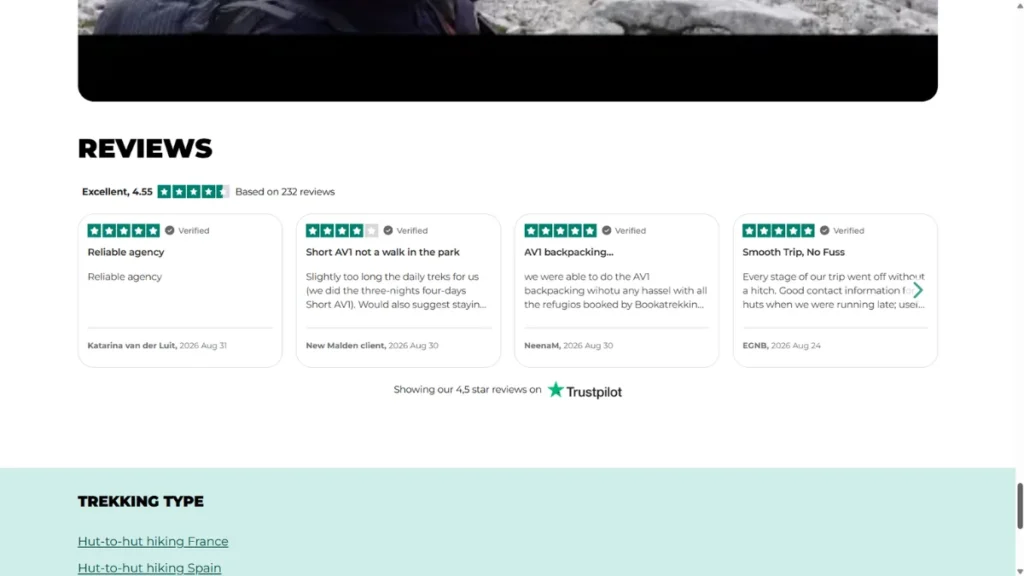
AI tools weigh real, specific guest feedback highly because it corroborates what your own site claims. Instead of only displaying a star rating, pull out a few short, specific guest quotes directly onto your pages: what the room actually looked like, how the guide handled a difficult moment on a hike, whether the transfer was on time. Specific, human detail is far more useful to an AI system than a generic five star badge.
A gorgeous, image heavy website can genuinely work against you if the actual facts, room details, tour inclusions, pricing, opening dates, are buried inside a slideshow, a PDF, or a hard to read paragraph. Keep your core information as real, readable text on the page itself, organized under clear headings. Save the beautiful photography for what it does best: inspiring people once they have found you.
AI tools cross check information across multiple sources before deciding whether to trust and recommend a business. If your business name, location, and description are written differently on your website, your Google Business Profile, TripAdvisor, and social media, that inconsistency creates doubt. Take an afternoon to make sure your name, address, description, and key facts match everywhere your business appears online. This one habit alone can meaningfully improve how confidently AI tools describe you.
AI tools do not just read a single page in isolation, they often gather pieces from several pages on your site to build a complete answer. If your homepage, your about page, your tour pages, and your FAQ all say slightly different or contradictory things, that hurts you. If they all reinforce the same clear, honest picture of who you are and what you offer, that consistency helps AI tools build confidence in recommending you.
Do not try to trick AI systems the way some businesses used to try to trick search engines. Stuffing pages with destination names and keywords that do not read naturally, exaggerating claims you cannot back up, or copying competitor content will not help you get cited, and it can damage the trust signals that both AI tools and real travelers pick up on. GEO rewards businesses that are simply, clearly, verifiably honest about what they offer. That is genuinely good news for smaller and independent travel businesses that cannot compete on advertising budget but can absolutely compete on honesty and specificity.
If all of this feels like a lot, start small. Here is a realistic first month:
Week one: Pick your five most important pages (homepage, your top tour or room type, about page, contact or FAQ, and one seasonal or destination page). Make sure each one opens with a direct, factual answer to the obvious question a visitor would have.
Week two: Add or rewrite an honest, specific About page that explains your real experience and history.
Week three: Add a short, genuinely useful FAQ section to your top two or three pages.
Week four: Check that your business name, address, and description match across your website, Google Business Profile, and the travel platforms you appear on, and update anything outdated.
None of this requires code, a developer, or a big budget. It requires the same thing that has always made a travel business worth booking: being clear, being honest, and knowing your destination or your property better than anyone else. AI tools are simply learning to notice and reward exactly that.

Gateway to AI Adoption. This is the Future of Marketing.
Schema Used for AEO / GEO: The Truth About the schem...
Generative Engine Optimization for Finance: How to Show...

14 Days Journey to GEO – Day 3 Until now, you have...