Day 6 AEO GEO Journey to ChatGPT Recommendati
Day 6 AEO GEO Journey to ChatGPT Recommendations You...


Written for retail owners, ecommerce managers, and marketing teams who want their products to show up when customers ask ChatGPT, Gemini, Perplexity, or Google AI Overviews for a recommendation, not just when they type a keyword into a search box.
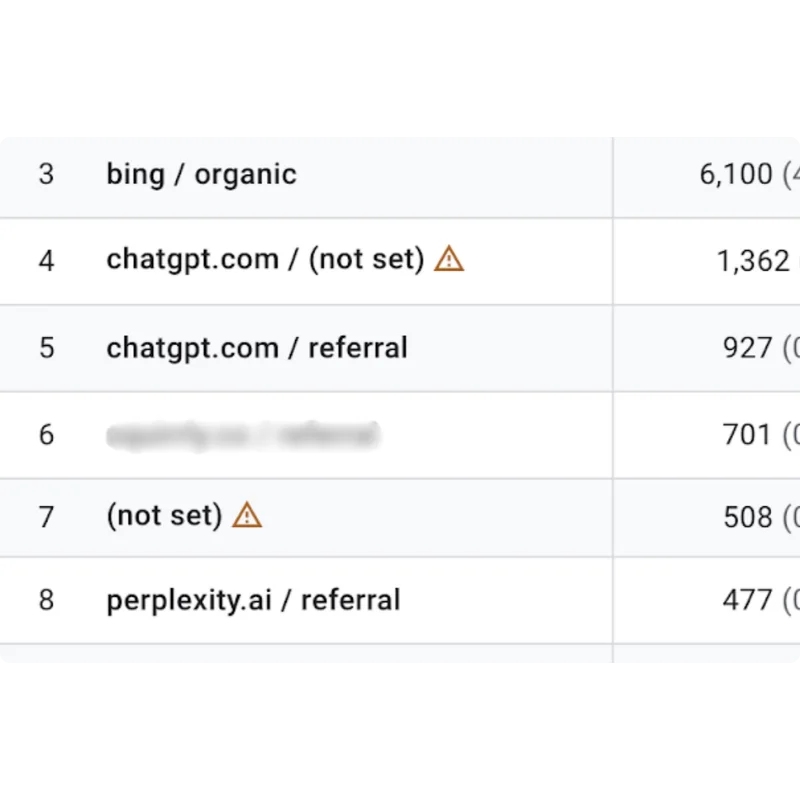
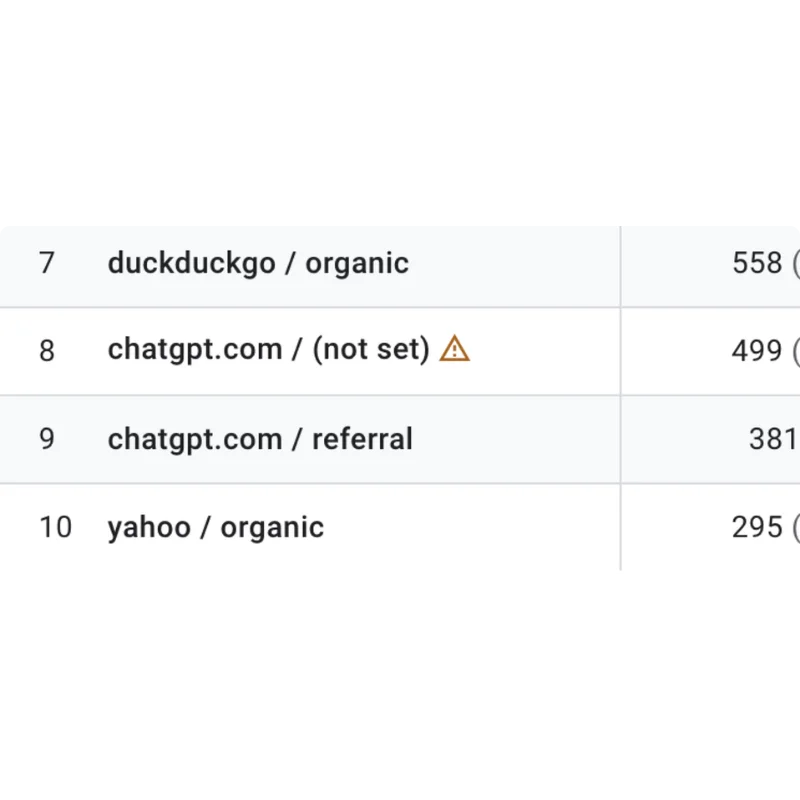
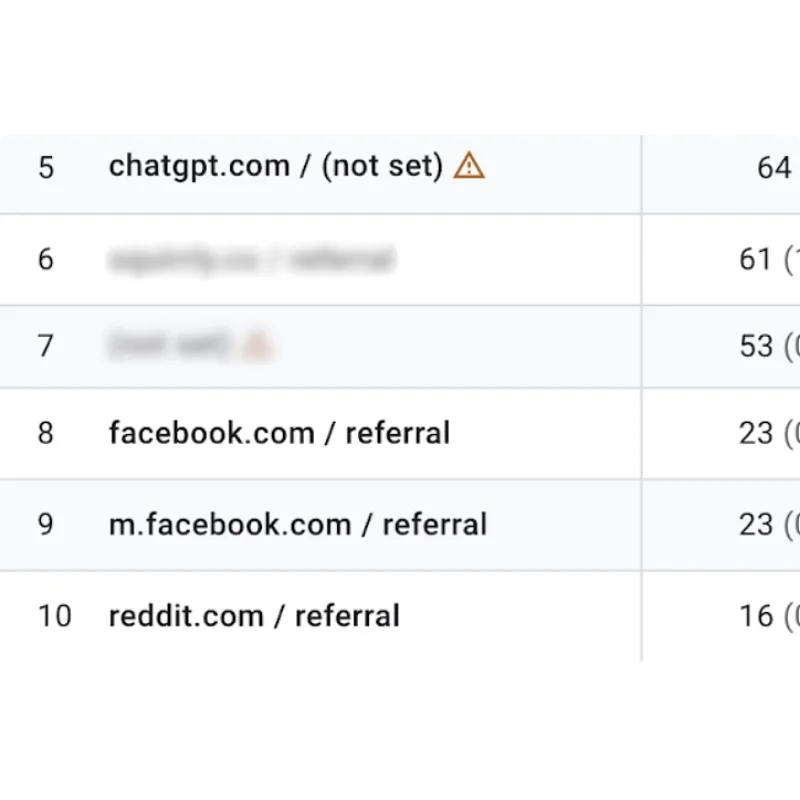
Generative Engine Optimization for Retail, or GEO, is the practice of shaping your content so AI tools can read it, trust it, and quote it in their answers. For retail businesses, this means three things matter most: your product details must be specific and structured, your content must answer real customer questions in plain language, and your brand needs proof points (reviews, data, expert input) that AI systems can point to as evidence. Adobe Analytics tracked a 693 percent year-over-year jump in AI-referred traffic to US retail sites during the holiday season, and that traffic converted 31 percent higher than typical organic visitors. Retailers who ignore GEO are becoming invisible to a growing share of shoppers who never see a list of blue links at all.
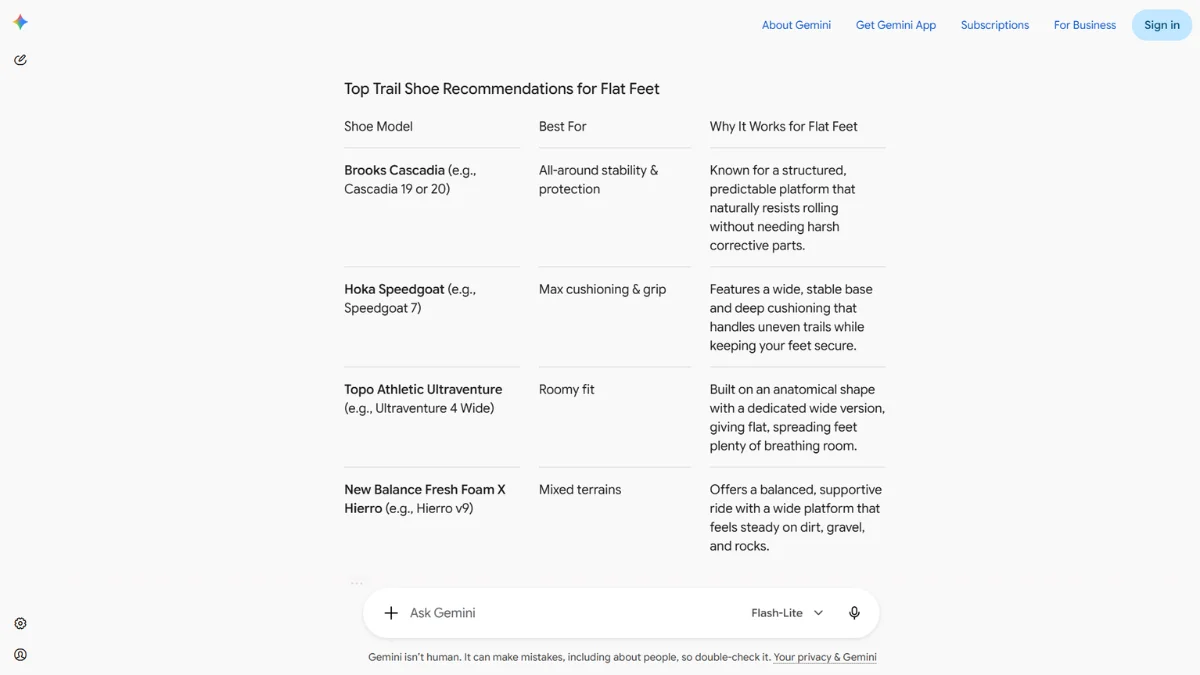
Generative engine optimization is defined as the practice of structuring website content, product data, and brand information so that AI systems can find it, understand it, and cite it directly in their generated answers. It is not a replacement for search engine optimization. It is what happens after a customer’s question reaches an AI model instead of a search results page.
When a shopper asks ChatGPT “what is the best espresso machine under 300 dollars for a small kitchen,” the AI does not return ten links. It reads multiple sources, compares specifications and reviews, and writes a direct recommendation, sometimes naming two or three products by brand. If your store is not one of the sources the AI trusted enough to read, you simply do not exist in that answer.
This shift is already large. HubSpot’s State of Marketing report found that 44 percent of AI search users now say AI is their primary way of discovering products, ahead of traditional search at 31 percent, retailer websites at 9 percent, and review sites at 6 percent. Adapting your store with Generative Engine Optimization for Retail ensures you capture this high-intent audience.
GEO and SEO share a foundation, since AI systems still crawl and read the same web pages Google does. The difference is what each one optimizes for.
| Factor | Traditional SEO | Generative Engine Optimization |
|---|---|---|
| Goal | Rank high on a results page | Get quoted or named inside an AI generated answer |
| Content style | Keyword rich product titles and descriptions | Direct answers to real customer questions, in plain language |
| What earns trust | Backlinks, domain authority, click through rate | Specific data, named sources, consistent facts across the web |
| Format that wins | Long pages optimized for scanning | Short, extractable sections an AI can lift word for word |
| Example query | “wireless earbuds sale” | “what are the best wireless earbuds for running in the rain” |
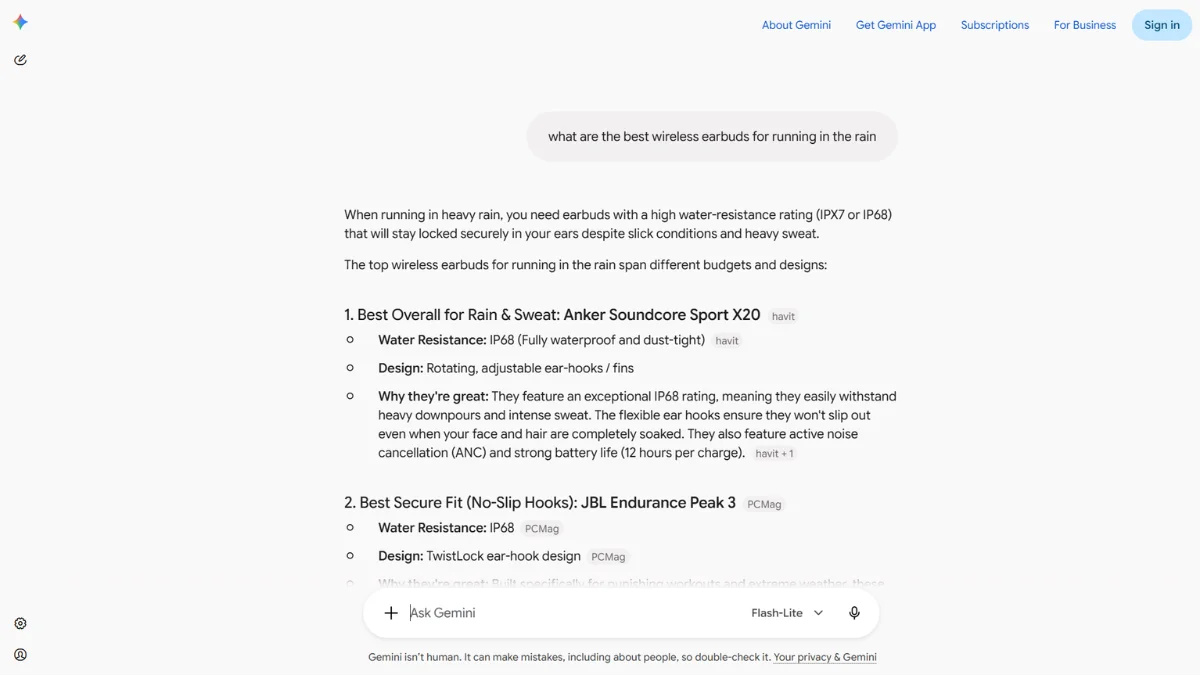
Both disciplines still matter. A page that ranks poorly in Google is also less likely to be crawled and used as an AI source, since most AI systems still pull from the live web to answer questions in real time.
A product page gets cited by AI when it answers a specific question better than any other page the AI found. That means going beyond a price and a photo.
Every product page should state, in plain sentences, what the product is, who it is for, and what makes it different from similar options. AI systems favor pages with concrete, checkable facts over pages full of marketing language. Executing Generative Engine Optimization for Retail effectively requires including these key elements on every page:
Include the following on every product page:
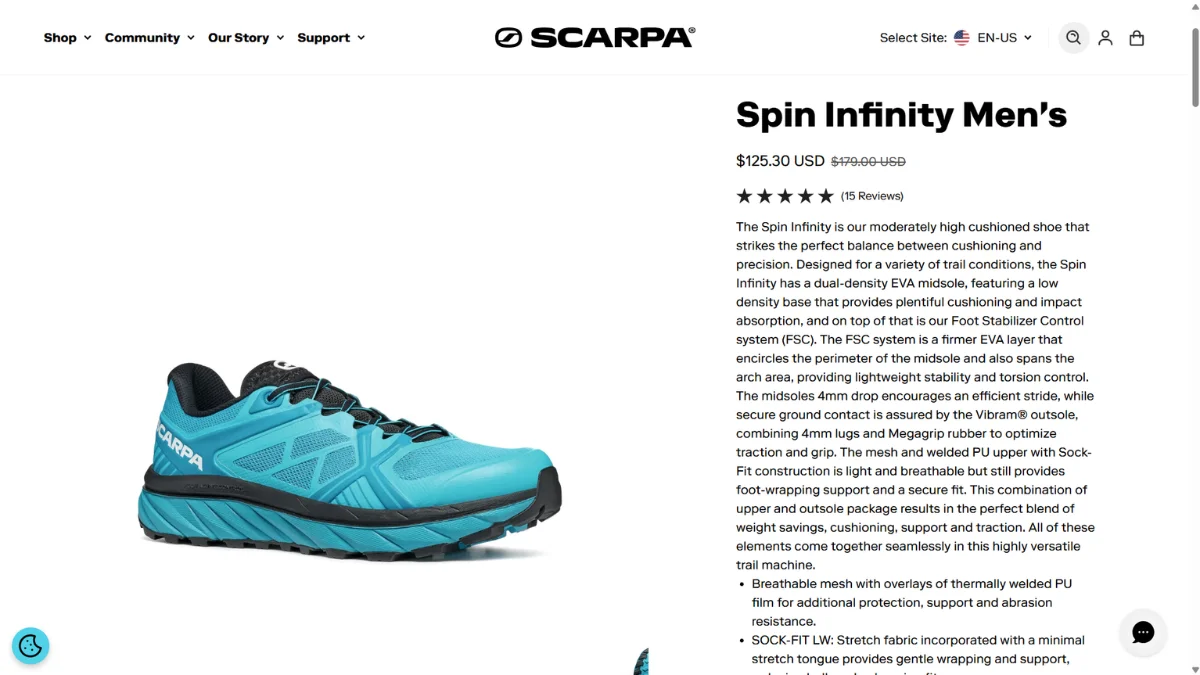
A hiking boot retailer, for example, should not just write “durable and comfortable.” A stronger sentence reads: “This boot uses a Vibram rubber outsole rated for wet rock, weighs 420 grams per boot in a size 9, and suits day hikes under 15 kilometers rather than multi day treks.” That level of detail is specific enough for an AI to lift directly into an answer.
AI systems quote content that answers a question in the first sentence, stays short, and stands on its own without needing the rest of the page for context. This is the single biggest writing habit retailers need to build.
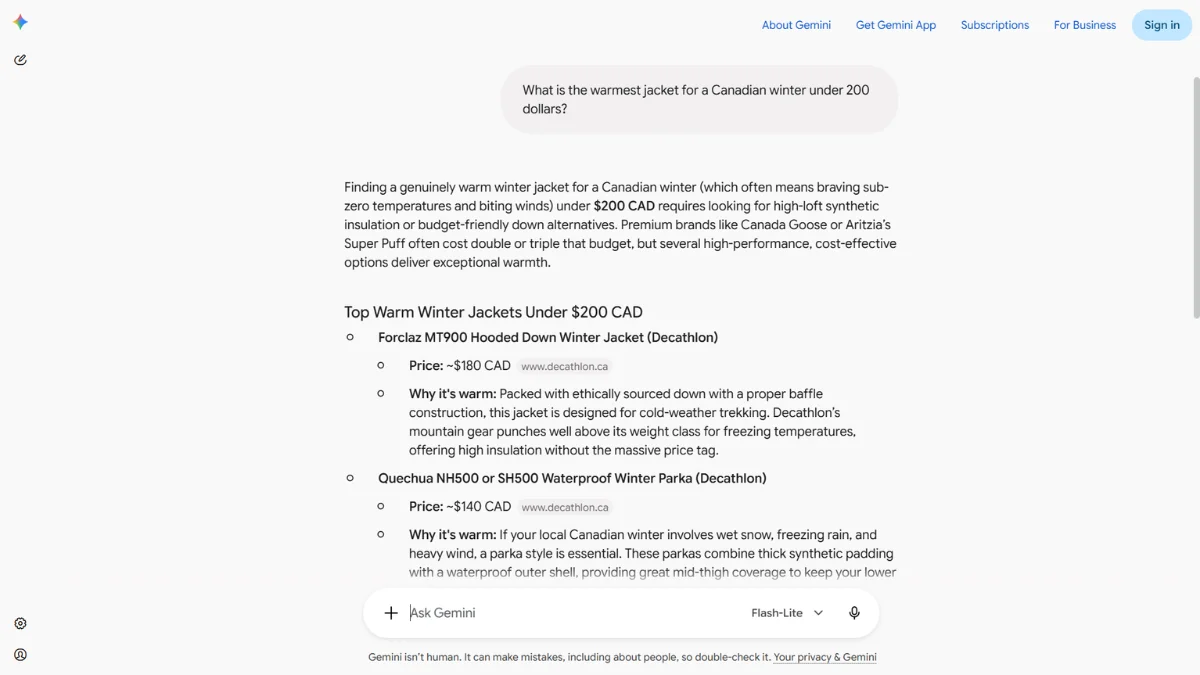
Structure every blog post, buying guide, and FAQ page around the exact questions customers type or say out loud. Instead of a heading like “Our Winter Collection,” use “What is the warmest jacket for a Canadian winter under 200 dollars?” Instead of “Product Care,” use “How do I wash a wool sweater without shrinking it?”
Follow this pattern in every section:
A peer reviewed study from Princeton and Georgia Tech, published at KDD 2024, tested this structure across 10,000 real queries and found that pages using statistics, quotations, and clear citations earned meaningfully higher visibility in AI answers, with statistics alone adding roughly 32 percent. For a retailer, a sentence like “78 percent of repeat customers reorder this coffee blend within six weeks, based on our own order data” is worth far more to an AI system than “customers love this coffee.”
AI systems recommend stores they can verify, not just stores that ask to be recommended. Trust for a retail brand is built from consistency across the web, not from any single page.
Three signals matter most for a retail business:
AI shopping tools like Amazon’s Rufus and OpenAI’s shopping features inside ChatGPT read structured product data, not just page text. This is where a small technical step pays off disproportionately for retailers.
Add schema markup, specifically Product, Offer, and Review schema, to every product page. Schema markup is a standardized code format that tells an AI system exactly what a price, brand name, or review rating is, instead of making it guess from surrounding text. Retailers whose product data lacks this kind of markup are becoming difficult for AI shopping agents to include in results at all, according to 2026 ecommerce research from Elogic Commerce.
Practical steps for a retail team, regardless of technical skill level:
A small retail team does not need a technical department to start improving AI visibility. Focus on the highest impact, lowest effort actions first.
McKinsey and Stord’s 2026 research found that 89 percent of retailers have adopted some form of AI, but only 7 percent have reached full, scaled deployment. That gap is the opportunity. A retailer that completes even this short checklist is already ahead of most of the category.
Does GEO replace SEO for a retail store? No. GEO builds on SEO. AI systems still rely heavily on the live, crawlable web to find and verify information, so a page that ranks poorly in traditional search is also less likely to be pulled into an AI answer.
How long does it take to see results from GEO? Most retailers see AI referral traffic within four to eight weeks of restructuring key pages, though this varies by category. Pages updated at least monthly tend to hold visibility longer than pages published once and left untouched.
Do I need a developer to do GEO for my store? Not for most of it. Rewriting product descriptions, building an FAQ page, and collecting specific reviews require no technical skill. Schema markup is the one step that benefits from developer support, though many ecommerce platforms include it by default.
Which AI platforms should a retailer prioritize? ChatGPT drives the largest share of AI referral traffic to retail sites, but Google’s AI Overviews reach the widest audience. A retailer with limited time should aim for content that both can read clearly, since one well structured page tends to perform across platforms.
Can a small, local retail business compete with large brands in AI search? Yes, often more easily than in traditional SEO. AI systems reward specificity over size. A small shop with precise product details and consistent information across the web can be cited ahead of a larger competitor whose content is generic.

Gateway to AI Adoption. This is the Future of Marketing.

Day 6 AEO GEO Journey to ChatGPT Recommendations You...
14 Days Journey to GEO - Day 2 Yesterday, you began ...

Generative Engine Optimization for Healthcare: A Beginn...