AISQ Progress Update #9 – One-Click Interna
AISQ Progress Update #9 – One-Click Internal Links, a...


TL;DR: Generative Engine Optimization, or GEO, is the practice of writing and structuring your healthcare content so that AI tools like ChatGPT, Perplexity, Gemini, and Google’s AI Overview can find it, trust it, and quote it directly to patients.
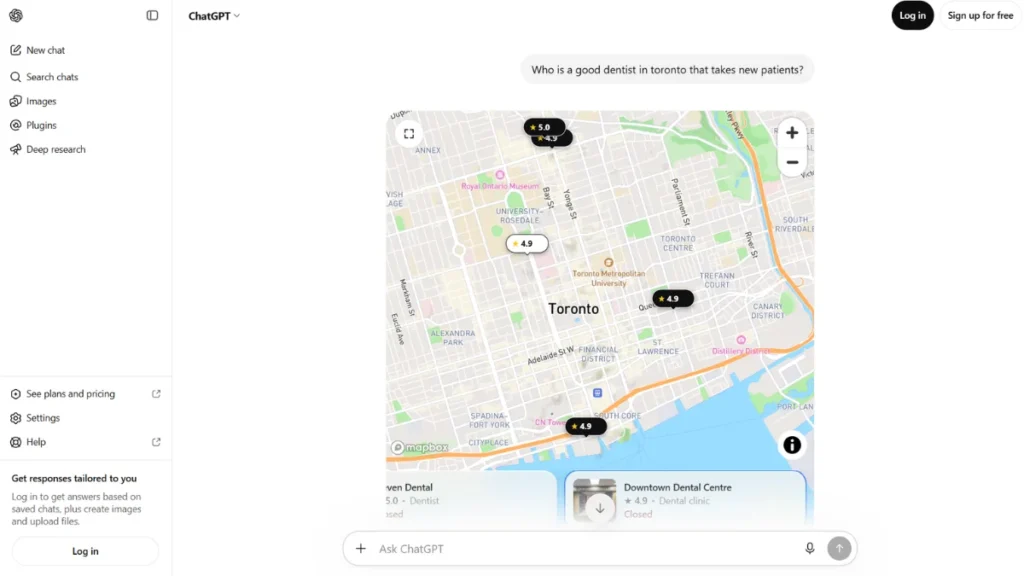
Patients no longer type “dentist near me” into a search bar and scroll through ten blue links. More and more, they open ChatGPT, Perplexity, Gemini, or Google’s AI Overview and simply ask something like “Who is a good dentist near me that takes new patients?” or “What are the signs of a UTI and when should I see a doctor?”
Health related questions are some of the most common things people now ask AI tools, and a growing share of those searches never end in a click at all. The AI reads through the internet, picks out the most trustworthy and clearly written sources, and hands the patient a summary, often with a name or a link attached. If your healthcare practice is not part of that summary, you are invisible to a huge and growing number of patients, even if your website still ranks well on a traditional Google search.
This is where Generative Engine Optimization, or GEO, comes in. It is the practice of shaping your content so that AI systems can find it, understand it, trust it, and quote it. The good news is that GEO does not require coding skills or a marketing degree. It requires clarity, honesty, and a bit of organization. Below are the practices that matter most, translated specifically for healthcare businesses of any size, from a solo therapist to a multi location clinic.
Health-related questions are among the most common things people now ask AI tools, and the shift toward AI-first research is happening fastest among younger patients. Gartner’s research found that 35% of Gen Z now use AI tools as their first stop for research questions, compared to 19% of millennials and 7% of Gen X, meaning the newest generation of patients is already skipping traditional search for exactly this kind of question.
This shift isn’t limited to any one age group. Google’s AI Overviews now appear in at least 16% of all searches, and significantly more for comparison and high-intent queries, the kind of “which provider should I choose” question patients ask constantly. Separately, research from Princeton, Georgia Tech, and IIT Delhi found that content structured around GEO principles achieved 30% to 115% higher visibility in AI-generated answers than content that wasn’t.
Healthcare carries an added layer of scrutiny here. Because bad medical information can genuinely harm someone, AI systems, like search engines before them, hold health content to a higher trust bar than most other topics. A healthcare practice that ignores GEO isn’t just losing a marketing channel; it’s losing visibility in the exact moment a patient is trying to decide whether to trust them with their care.
Traditional SEO and GEO share the same foundation — quality content, accurate information, and technical accessibility — but they optimize for different outcomes.
| Traditional SEO | GEO | |
|---|---|---|
| Goal | Rank high on a results page | Be the source an AI quotes or names |
| Success measured by | Clicks, rankings, traffic | Mentions, citations, share of voice in AI answers |
| Content style | Keyword-focused, built for scanning a page | Conversational, self-contained answers that make sense out of context |
| Where it’s read from | Mostly your own website | Your website plus directories, reviews, forums, and other mentions across the web |
The practical takeaway: you don’t need a separate content strategy for GEO. You need to write your existing pages more directly, back them with real credentials, and pay attention to how your practice is described outside your own website too.
Answer the exact question a patient would ask in the first sentence or two of every page, before adding supporting detail. AI tools tend to pull the first few sentences on a page rather than digging for the good part further down, so burying the answer under a marketing intro means it may never get quoted at all.
Instead of opening a page with “We offer comprehensive dental care tailored to your needs,” open with something like: “A routine dental cleaning at our clinic typically takes 45 to 60 minutes and is recommended every six months.”
A simple test: think about the real questions patients type into a search bar, such as “What does a root canal cost without insurance?” or “How long does recovery take after a knee replacement?” Then write your page like you’re answering that question directly, not like you’re writing a brochure.
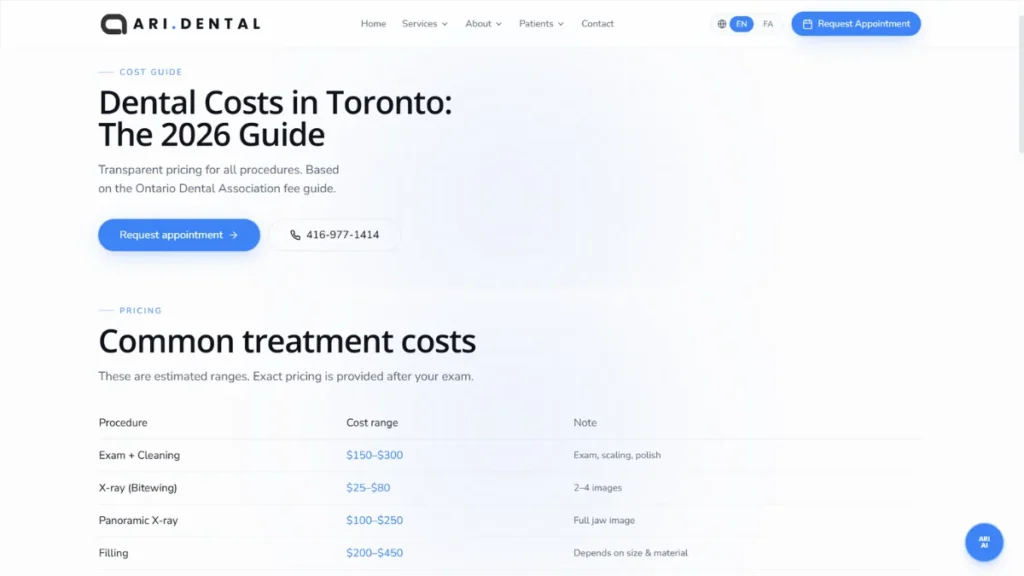
Create a page or a section for each common question, and answer it plainly in the very first sentence or two, before adding any extra detail. AI systems love content that gets to the point immediately, because it is easier to lift out and quote accurately.
Build a specific, detailed FAQ section for each specialty or service, not just a generic “What are your hours?” page. FAQ-style content is exactly the format AI tools are built to extract and reuse, which makes it one of the highest-leverage things you can publish.
For a physical therapy clinic, this might include questions phrased exactly the way a patient would ask them:
Each answer should run two to four plain-language sentences. Write the question the way a worried person actually types it, not the way a textbook would phrase it.
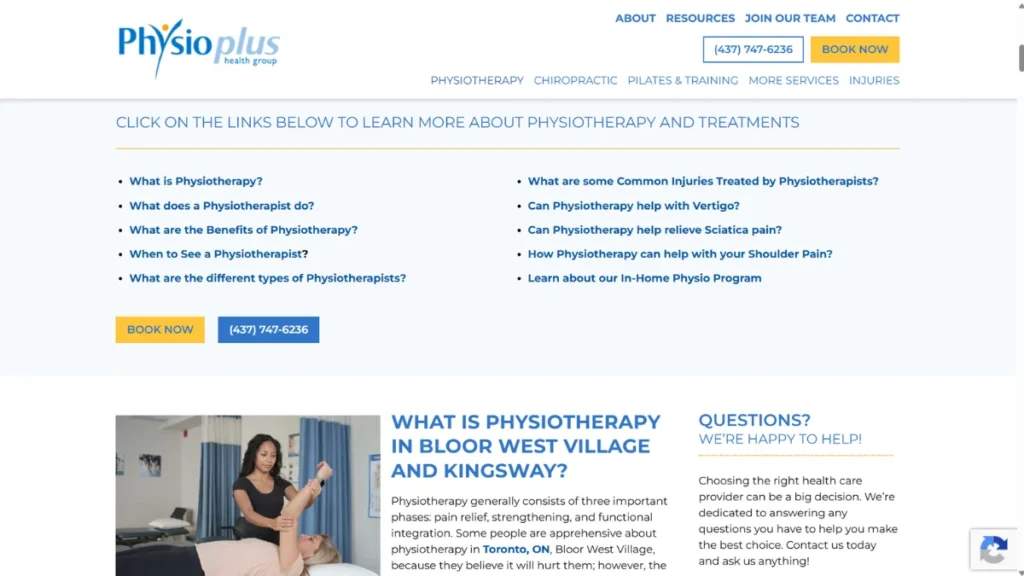
Each answer should be two to four sentences, written in plain language, with no jargon. This single page can become one of the most cited sources when AI tools summarize your practice.
Offer a simple, structured comparison whenever patients are choosing between two treatments, procedures, or providers. AI tools are especially good at pulling structured comparisons into their answers, and a clear comparison is also exactly what a genuinely helpful provider would want a patient to see before booking.
A med spa, for example, could publish a short table comparing two popular treatments by recovery time, number of sessions typically needed, and general price range. You don’t need design skills, a basic table or a two-column list is enough.
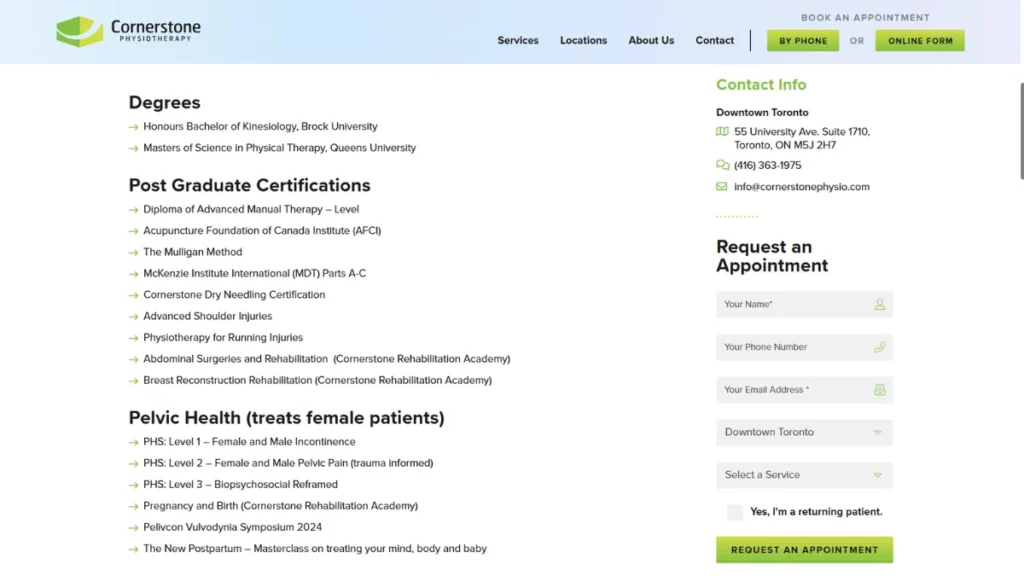
Show real names, credentials, and sources behind every piece of health content you publish. AI systems apply extra scrutiny to medical topics, so vague or anonymous content is far less likely to be cited, no matter how well it’s written.
Practical ways to build this:
Add a short, honest note telling patients when to stop reading and get help. A line such as “Seek immediate care if you experience chest pain, sudden numbness, or difficulty breathing” is good medical practice and a strong trust signal, since it shows the page was written with patient safety in mind rather than purely to attract clicks. Include this on any page covering symptoms, recovery, or medication.
AI engines don’t only read your own website, they pull from Healthgrades, Zocdoc, WebMD provider listings, hospital network pages, insurance directories, and Google Business Profile. Keep your name, address, phone number, and specialties identical across all of them.
Set a recurring reminder every few months to check these listings, and keep your Google Business Profile completely filled out, including the Q&A section, since AI tools increasingly draw from it directly. Genuine, detailed patient reviews mentioning your specialty, bedside manner, or wait times give AI systems concrete evidence to work with when someone asks “Who is a good pediatrician in my area?”
Use clear headings, short paragraphs, and bullet points instead of long unbroken blocks of text. AI systems scan for structure, and pages with obvious sections are far easier to break apart and summarize accurately.
For each service page, a reliable structure looks like:
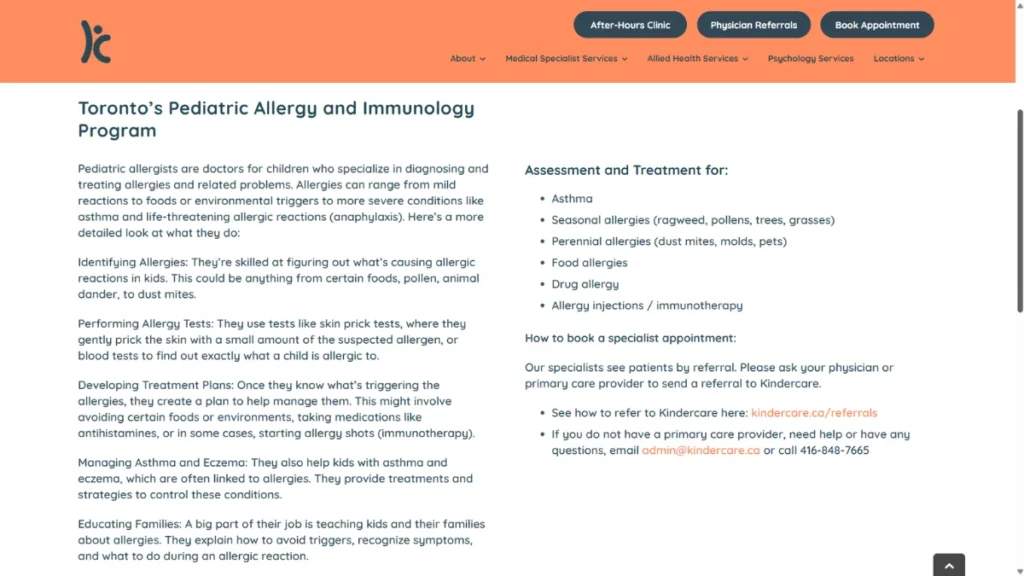
Then link each page to the natural next step a patient would take, a condition page to its treatment page, and the treatment page to your booking page. It’s a trail of breadcrumbs that both a patient and an AI tool can follow from “what is this” to “how do I get help.”
Write like a knowledgeable friend, not a brochure. AI systems favor natural, conversational language because it’s closer to how people actually speak when they ask questions.
Compare these two sentences:
The second version is the kind of sentence an AI tool can lift directly into an answer for a real patient question, and it reads better to an actual human, too.
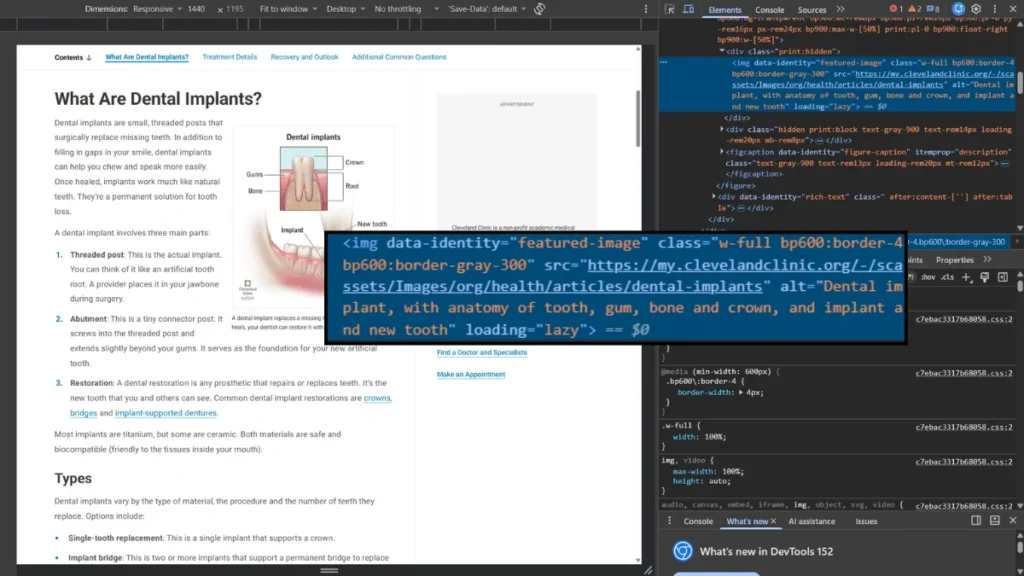
Give photos and videos real, descriptive names and captions, such as “dental implant recovery on day one” rather than “IMG4021.” AI tools increasingly read this surrounding context alongside the visual itself, and patients researching a cosmetic or elective procedure often specifically look for this kind of proof. A short video where a provider answers one common question in plain language can become one of your most cited pieces of content.
Being mentioned by other reputable sites carries real weight with AI systems, similar to how a doctor’s reputation grows through referrals from other doctors. If a local news outlet quotes your dermatologist about sun safety, or a health blog links to your clinic’s allergy guide, that mention becomes a credibility signal AI tools notice, and research suggests the overlap between top traditional search results and the sources AI tools actually cite has been shrinking, meaning off-site mentions matter more than ever, not less.
You don’t need a large PR budget. Reach out to local journalists when there’s a relevant health story, offer to be a source for community health fairs, or contribute a short guest article to a local parenting or wellness site.
A large share of healthcare searches are local, someone looking for an urgent care clinic open right now, or a dentist within driving distance. Keep your hours, holiday closures, accepted insurance plans, and languages spoken current on both your website and Google Business Profile. If you add a new provider or start accepting a new insurance plan, update it everywhere within the same week, not the same quarter.
Never feed real patient names, case details, or anything identifiable into an AI tool when drafting blog posts, captions, or FAQ answers, even with good intentions. Stick to general, anonymized examples, and have a staff member review anything before publishing. This is a legal necessity first, but it’s also a quiet trust signal, carefully handled content tends to read as more credible than content that sounds like it slipped out too quickly.
Once a month, ask ChatGPT, Perplexity, and Google’s AI Overview the same questions your patients would ask, such as “best pediatric dentist in [your city]” or “what should I know before a colonoscopy.” Note whether your practice shows up, who’s being mentioned instead, and what those pages are doing that yours isn’t.
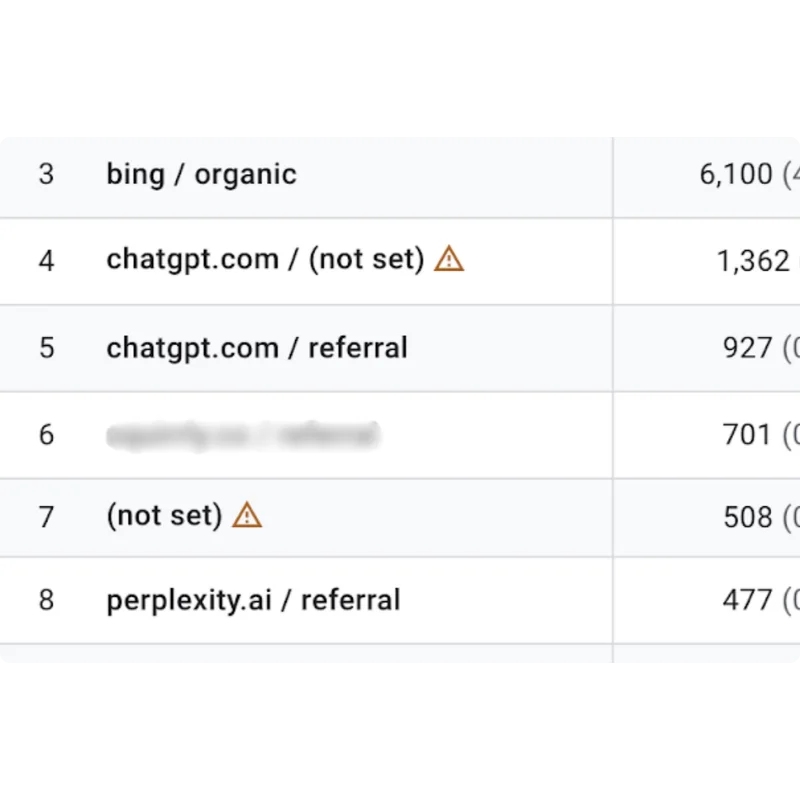
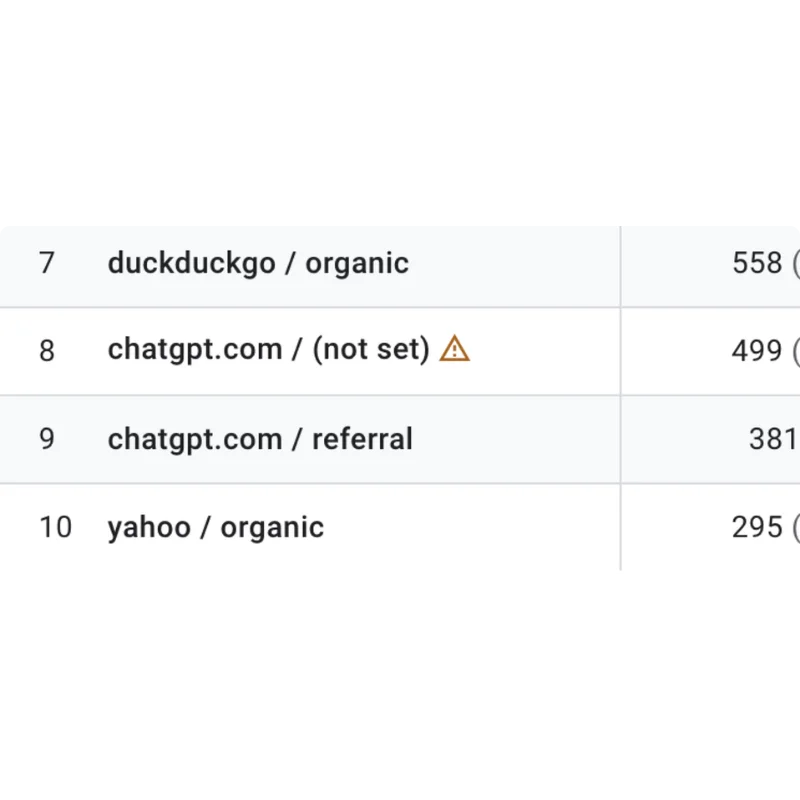
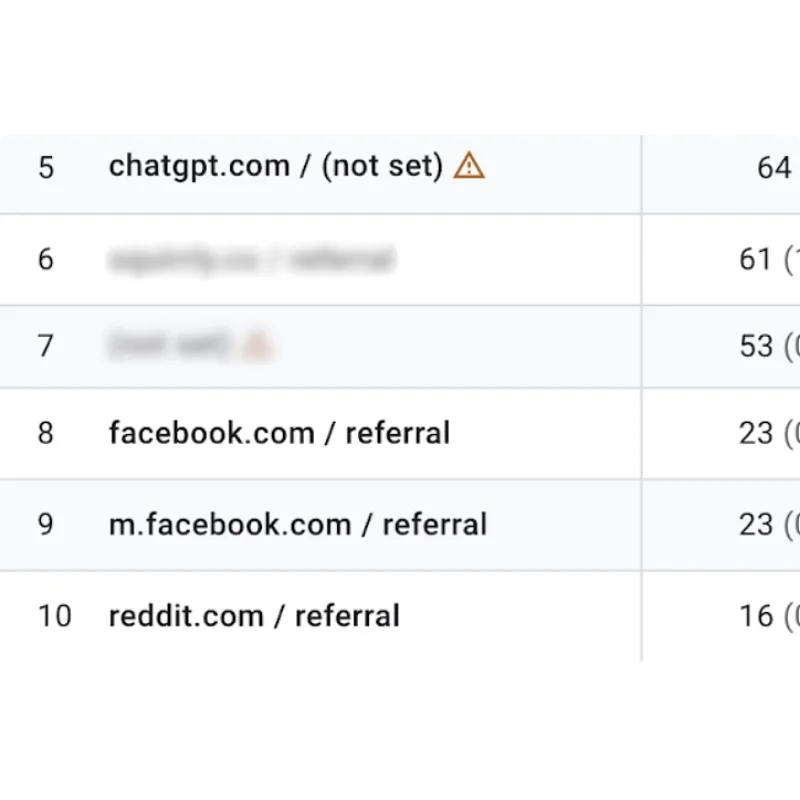
If you have Google Analytics installed, check Reports, then Acquisition, then Traffic acquisition, and look for referral sources like chatgpt.com, perplexity.ai, or gemini.google.com. Traffic from these sources is direct proof that a real patient asked an AI tool a question, got your practice as part of the answer, and clicked through. Neither of these checks costs anything but ten minutes, and together they’re the clearest window you have into how AI tools currently see your practice.
Is GEO different from SEO, or do I need to pick one? GEO and traditional SEO share the same foundation: accurate, well-structured, trustworthy content, but they aim at different outcomes. SEO aims to rank your page; GEO aims to get your practice named or quoted directly inside an AI answer. Most healthcare practices need both.
Do I need technical skills to do GEO? No. Most of what matters is clear writing, honest credentials, and consistent information across the web.
How long does it take to see results from GEO? There’s no fixed timeline, since it depends on how AI tools currently perceive your practice and how much needs to change. A reasonable approach is to start with your most-requested service, add a strong FAQ section, and check monthly whether your visibility in AI answers is improving.
Does GEO replace the need for a good Google Business Profile? No, if anything, it raises the stakes. AI tools draw heavily on Google Business Profile for local business information, so keeping it fully filled out and current is one of the highest-leverage things a healthcare practice can do.
Can I use AI tools to help write my healthcare content? Yes, as a drafting aid, but never feed real patient names or identifiable case details into an AI tool, and always have a qualified staff member review anything before it’s published.

Gateway to AI Adoption. This is the Future of Marketing.
AISQ Progress Update #9 – One-Click Internal Links, a...

14 Days Journey to GEO - Day 2 Yesterday, you began ...
Schema Used for AEO / GEO: The Truth About the schem...