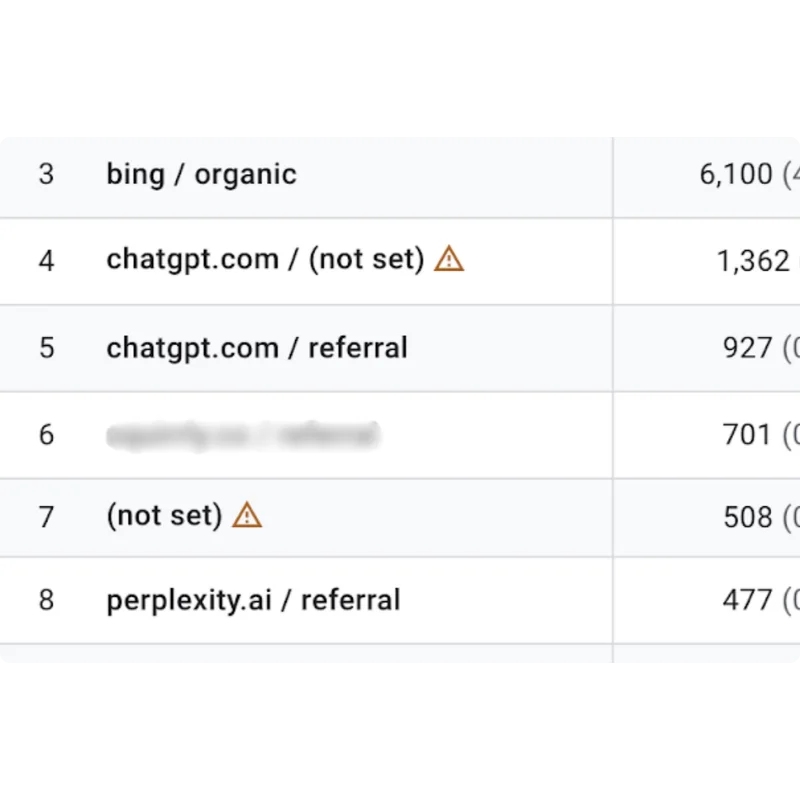
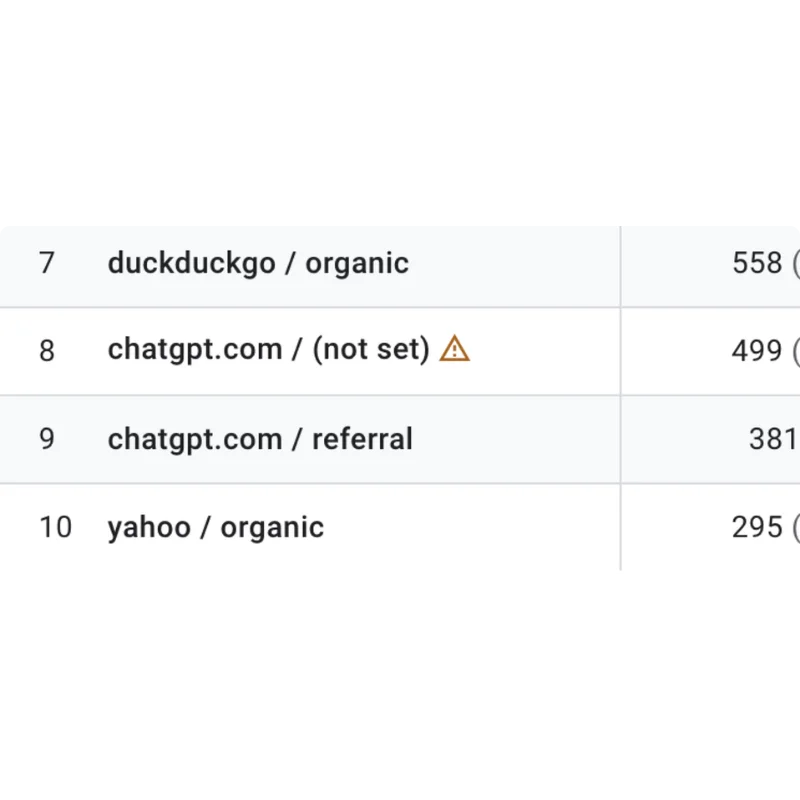
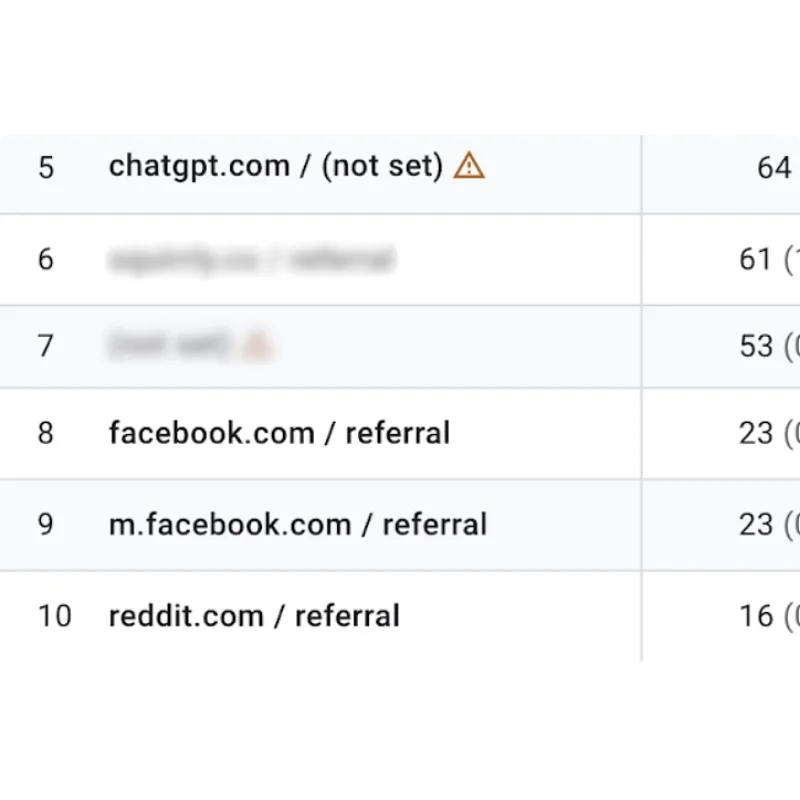
Marketing has officially changed.
Today, I’m writing to share a monumental realization:...


OpenAI is expanding ChatGPT for Healthcare with two major capabilities aimed at bringing more of the information healthcare teams use into a single governed workspace: a new integration with Epic electronic health records and a Healthcare Public Data plugin connecting ChatGPT to official healthcare datasets.
The Epic integration allows authorized patient information (including appointment notes, lab results, medications, and specialist documentation) to be reviewed through ChatGPT. Clinicians can use it to identify changes in a patient’s condition, review recent results, track medication updates, and surface follow-ups or unresolved issues before an appointment. ChatGPT can summarize relevant developments while pointing users back to the supporting information in the patient chart.
At the same time, OpenAI is introducing a Healthcare Public Data plugin that connects nine official healthcare information sources, including PubMed, DailyMed, ClinicalTrials.gov, RxNorm, and CMS Coverage. The goal is to let healthcare teams compare and verify research, medication information, clinical trials, coverage policies, and provider records without having to search each source separately.
OpenAI also shared evaluation results for the new healthcare capabilities. Physicians assessed ChatGPT across 27 clinical use cases and rated 99.1% of responses safe across 4,363 ratings. In a separate evaluation of connected public healthcare datasets, more than 93% of responses for each tested source were rated as having “good” or better accuracy.
“By bringing relevant information together more quickly and comprehensively, the technology has the potential to reduce time spent synthesizing data and give clinicians more time with patients.”
— Suresh Gunasekaran, President and CEO, UCSF Health
Gunasekaran’s comment captures one of the central promises of the Epic integration: reducing the amount of time clinicians spend manually assembling information from complex patient records.
“The goal is simple: give caregivers and teams more time for the human connection that enables our connected, whole-person care.”
— Robert Purinton, Chief AI Officer at AdventHealth
That statement reflects the broader positioning of the announcement: AI is being presented not only as an information-retrieval tool, but as a way to reduce routine work across healthcare organizations.
The announcement moves ChatGPT for Healthcare closer to the systems clinicians already depend on rather than requiring them to treat AI as a separate destination. By connecting authorized Epic patient information directly with ChatGPT, and, in supported deployments, putting ChatGPT inside the EHR itself, OpenAI is aiming to make AI part of the existing clinical workflow.
The Healthcare Public Data plugin also broadens the role ChatGPT can play. Instead of simply answering clinical questions, the system can work with specific records and structured information from official sources covering research, medications, clinical trials, coverage, and providers. That could make it easier for healthcare teams to bring several authoritative information sources together for a single task.
OpenAI is also clearly emphasizing evaluation and governance as part of the product story. The article highlights physician safety ratings, accuracy assessments, role-based access, audit logs, and HIPAA-related controls alongside the new functionality. This suggests that the company sees healthcare adoption as depending not only on what AI can do, but on whether organizations can evaluate, govern, and deploy it within their existing compliance requirements.
Finally, the announcement positions ChatGPT for Healthcare as more than a clinician-facing product. By connecting healthcare information with business systems and tools such as ChatGPT Work and Codex, OpenAI is presenting the platform as infrastructure that could support clinical, research, administrative, operational, and technical teams within the same governed environment.
Source: https://openai.com/index/chatgpt-connects-health-records-and-healthcare-sources/

Gateway to AI Adoption. This is the Future of Marketing.
Today, I’m writing to share a monumental realization:...
Daze, an AI-powered messaging app targeting Gen Z, is m...

🎧 AISQ /Radio Billboard – Week 4 Results (25-31 Au...