How Nonprofits Can Get Found by ChatGPT, Perp
How Nonprofits Can Get Found by ChatGPT, Perplexity, an...


Written for real estate agents, brokers, and real estate marketing teams who want to show up when home buyers and sellers ask AI assistants for local recommendations.
TL;DR
Generative Engine Optimization for Real Estate (GEO) is the practice of structuring an agent’s or brokerage’s online content so AI tools like ChatGPT, Google AI Overviews, Perplexity, and Gemini can understand it, trust it, and cite the agent by name when someone asks questions like “who’s the best REALTOR® for first-time buyers in [city]?” It sits alongside SEO rather than replacing it—SEO gets the content found, while GEO gets the agent recommended. The fastest wins are: publishing real local housing stats, using question-based headings, adding RealEstateAgent and FAQPage schema markup, credited authorship, and maintaining 100% NAP consistency across local directories.
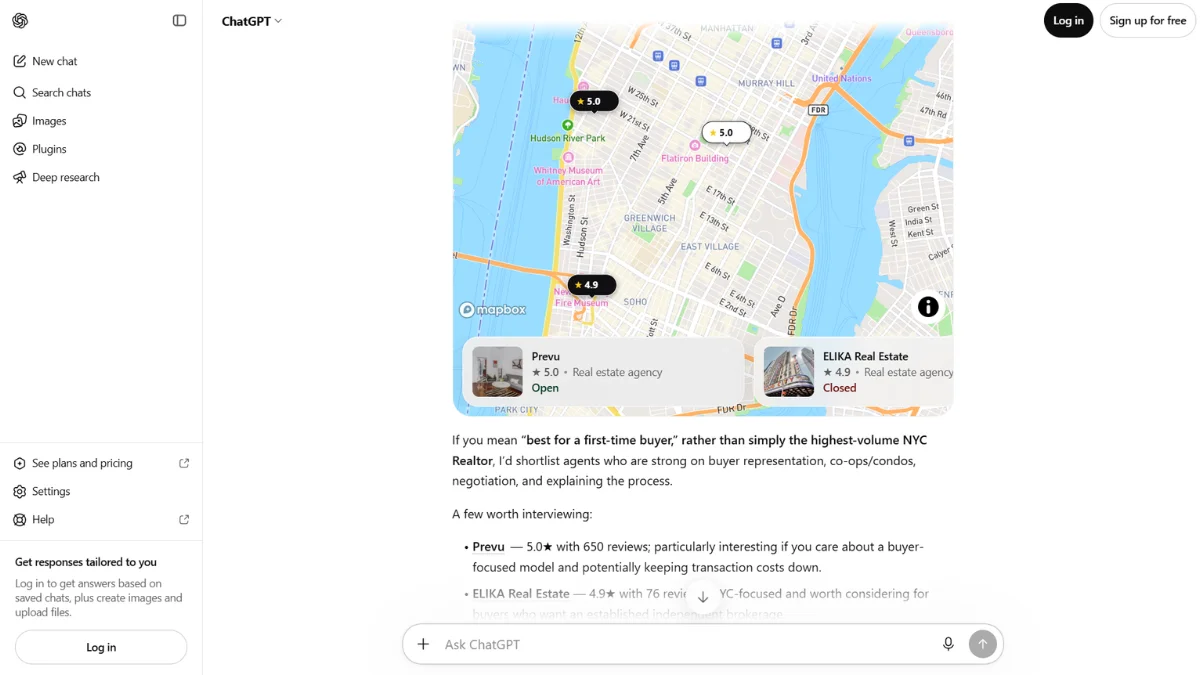
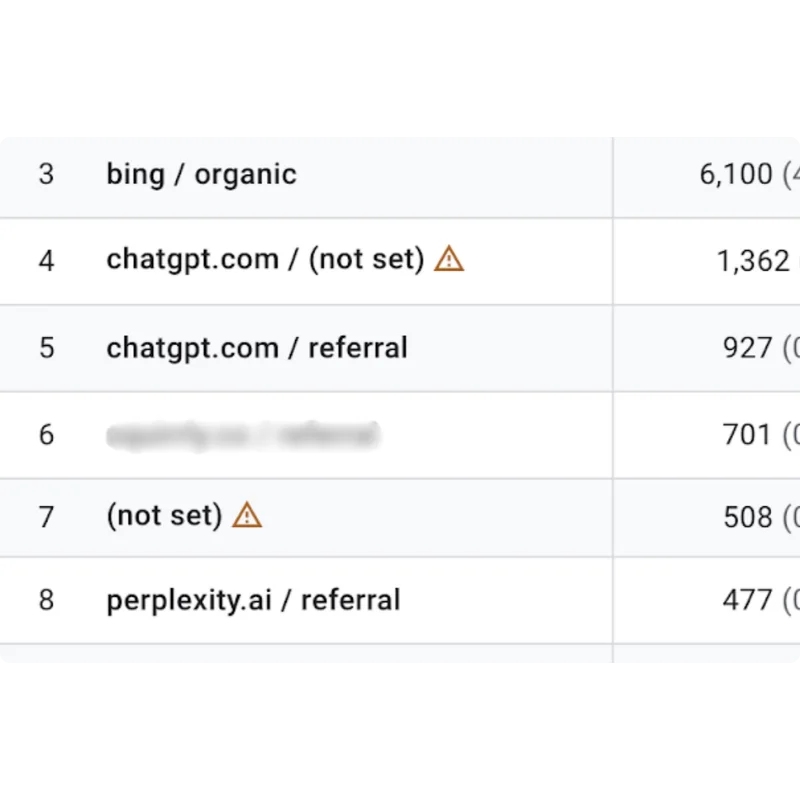
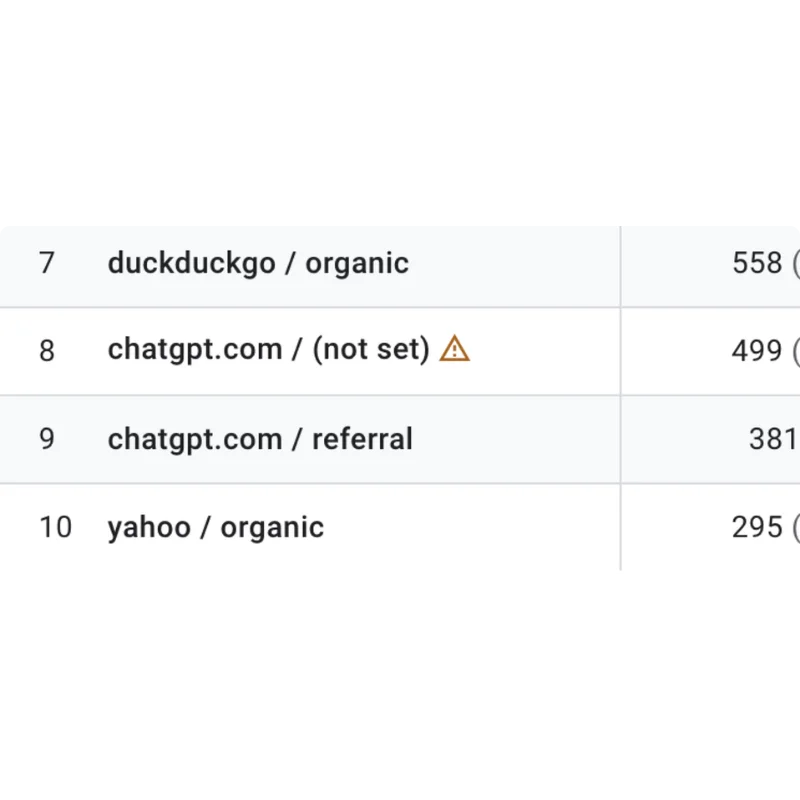
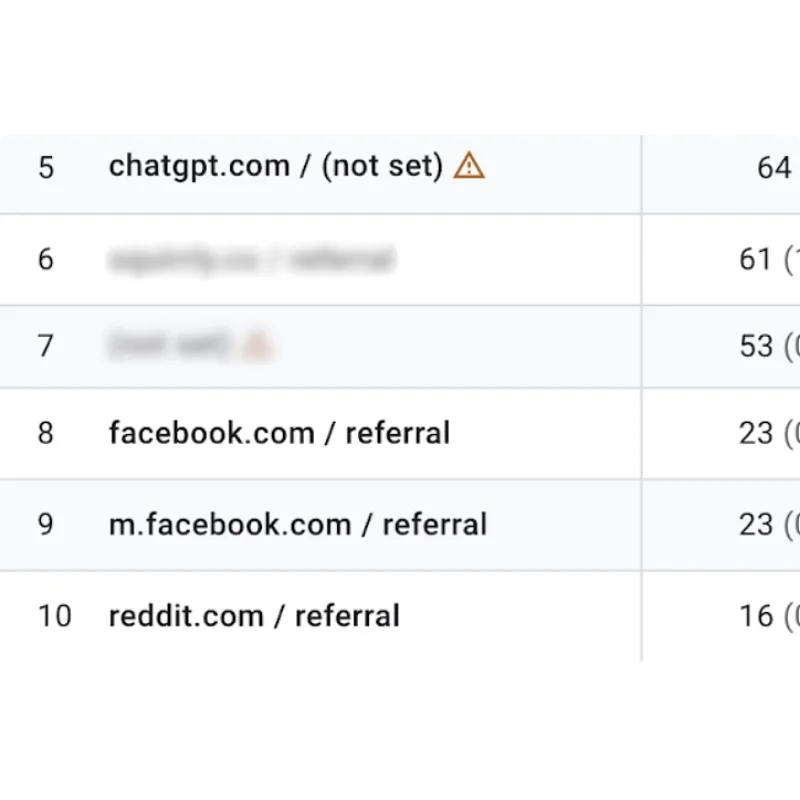
Buyers and sellers used to Google “realtor near me” and click through a page of results. Increasingly, they are opening ChatGPT or Perplexity and asking full questions instead: “What should I know before buying a condo in Calgary?” or “Who are the best agents in Ottawa for eco-friendly homes?” The AI reads across dozens of web sources—agent sites, brokerage blogs, local news, market reports—and returns one synthesized answer, often naming only a couple of professionals.
A growing share of these searches never result in a website click at all—the user receives their answer directly from the AI summary and moves on. If an agent’s content isn’t structured in a way AI can extract and cite, that agent simply doesn’t exist in that moment.
This shift presents an unusually high-value opportunity for real estate professionals: the industry runs on hyper-local knowledge, credentials, and hard numbers—the exact type of verified content generative AI engines are built to reward.
The following strategies consistently generate citations across AI models for housing and property-related queries.
E-E-A-T stands for Experience, Expertise, Authoritativeness, and Trust. It is the framework AI models and search engines use to judge whether content is reliable enough to recommend to someone making a major financial decision. Buying or selling a home is a high-stakes transaction, so real estate content receives extra scrutiny before an AI will cite it.
Practical ways to build E-E-A-T as an agent:

AI models are built to extract concrete facts. Hard data—average days on market, median price per neighborhood, year-over-year price shifts—is the exact type of citable detail that gets pulled into a generated response instead of generic real estate copy.
Generic Copy (Weak GEO): “This up-and-coming neighborhood offers great value and a strong sense of community.”
Data-Backed Copy (Strong GEO): “The average home price in [Neighborhood] was $612,000 in Q2 2026, up 4.3% year-over-year, with homes spending a median of 18 days on market.”
The second version gives an AI factual details to cite when a user asks “what is the market like in [Neighborhood]?” Always cite your sources, such as local real estate board stats, MLS data, or proprietary transaction history.
FAQ-formatted content mirrors the exact structure of prompts submitted to AI assistants, making it one of the easiest formats for a model to lift directly into a generated answer. A strong FAQ states the question as a clear heading and provides a self-contained answer underneath.
High-intent real estate FAQ topics include:

People ask AI assistants full, conversational questions rather than typing disconnected keywords. Writing in natural, conversational language aligns far better with AI prompt patterns than legacy SEO copy stuffed with phrases like “Ottawa realtor homes for sale.”
AI models rely on clear subheadings (H2, H3 tags), short summaries, and logical layout to parse page content and locate the precise section that answers a query.
For neighborhood or buyer guides, structure content so each question gets its own heading: pricing, school boundaries, commute times, local market trends, and offer process expectations. Avoid dense, unbroken walls of text.
AI search engines index content from social platforms—Instagram, Facebook, LinkedIn, YouTube—in addition to traditional websites. Social media captions and bios written with clarity and specificity can directly surface inside AI answers.

Because real estate searches are hyper-local, AI models lean heavily on content that demonstrates genuine, localized knowledge rather than generic national advice.
A strong local landing page combines several GEO principles in one place: named-agent authorship, active MLS statistics, direct answers to common questions, and clean FAQ schema markup.
| Factor | Traditional SEO | Generative Engine Optimization |
| Primary Goal | Rank higher on search engine results pages | Get cited directly inside an AI-generated answer |
| Core Metric | Website clicks and organic session volume | Citations, brand mentions, and entity placement in AI answers |
| Content Style | Keyword-optimized (“Ottawa realtor”) | Conversational Q&A (“What should I know before buying in Ottawa?”) |
| Trust Source | Backlink volume and domain authority | Named expertise, verified stats, and third-party citations |
| User Intent | “Show me a list of agents or properties” | “Give me a direct recommendation and explanation” |
| Phase | Priority Action Item | Implementation Detail |
| Phase 1 | Author Identity | Credit all articles and market reports to a named, licensed agent with clear credentials and specialties. |
| Phase 2 | Page Restructuring | Rewrite primary buyer, seller, and neighborhood guides using direct-answer formatting and question headings. |
| Phase 3 | Data & Schema | Integrate recent local MLS statistics into key pages and implement RealEstateAgent and FAQPage schema markup. |
| Phase 4 | Directory Audit | Ensure strict 100% NAP (Name, Address, Phone) consistency across your website, Google Business Profile, and directories. |
Does Generative Engine Optimization for Real Estate replace traditional SEO?
No. SEO builds the searchable, indexable foundation; GEO determines whether AI tools trust and cite what is on that foundation once they find it. The strongest strategies use both together.
How specific do local statistics need to be for GEO?
As specific and current as you can maintain. A median price, days-on-market figure, or year-over-year change for a named neighborhood is far more useful to cite than a city-wide generalization. Update these numbers regularly and state where they originate.
Do I need to be a large brokerage for GEO to work?
No. GEO favors genuine, specific local expertise over sheer company size. An individual agent who writes clear, well-structured, credentialed content about a specific neighborhood can be cited ahead of a large brokerage’s generic city-wide pages.
Can an agent pay to be featured in an AI-generated answer?
No. Citations in tools like ChatGPT or Google AI Overviews are currently earned through clarity, structure, data density, and demonstrated expertise—not paid placement.
Would you like help generating JSON-LD Schema code tailored for a real estate agent profile, or writing an AI-optimized local neighborhood guide for your target market?

Gateway to AI Adoption. This is the Future of Marketing.

How Nonprofits Can Get Found by ChatGPT, Perplexity, an...

14 Days Journey to GEO – Day 3 Until now, you have...

Generative Engine Optimization for Healthcare: A Beginn...